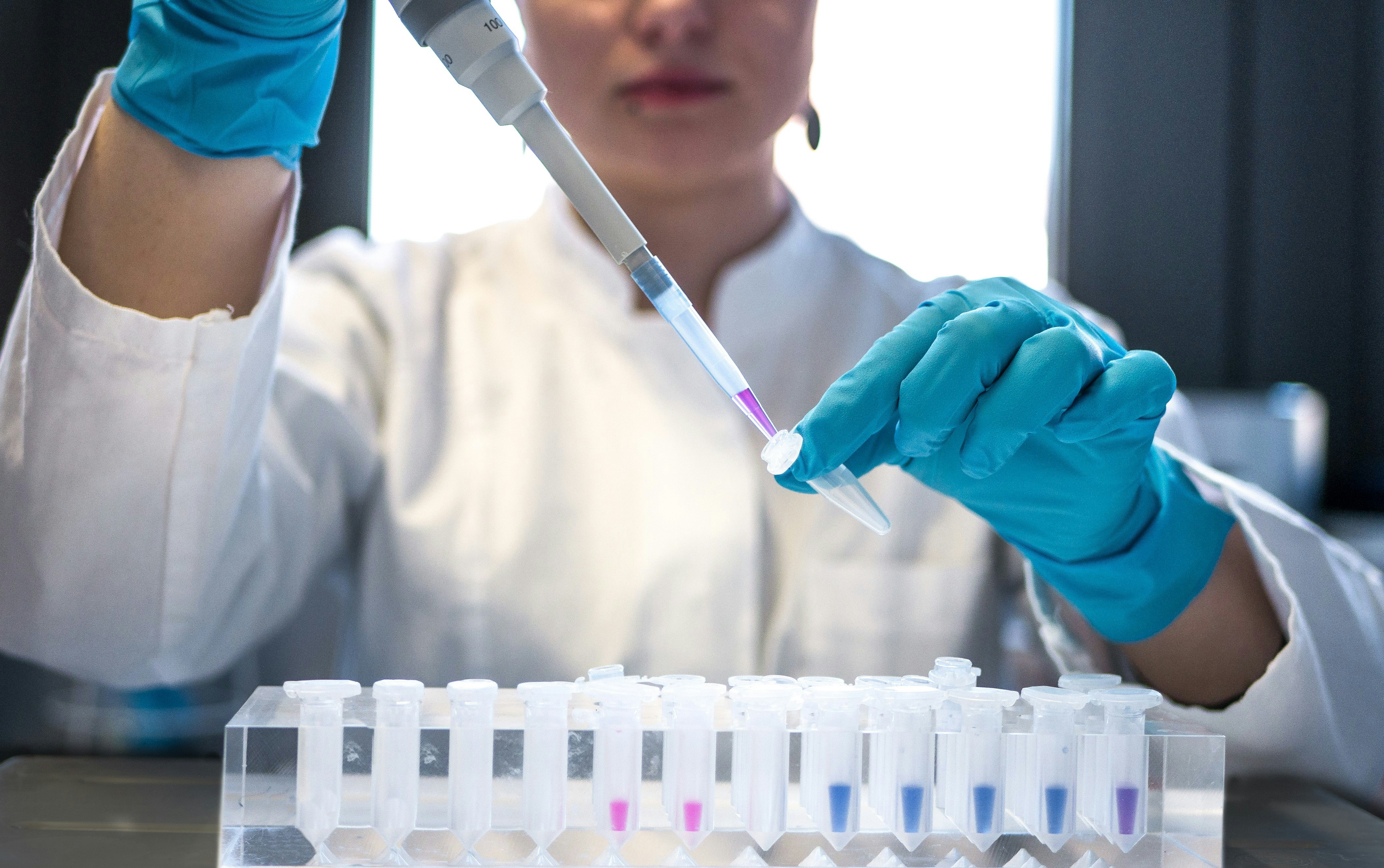

For years, ovarian reserve testing measuring how many eggs a woman has left has been the most common way fertility clinics assess a patient’s chances of conceiving. But a growing body of research shows that egg count alone tells only part of the story. What matters just as much, if not more, is egg quality: the biological condition of each egg and its likelihood of fertilising, developing into a healthy embryo, and implanting successfully.
Every woman is born with a finite number of eggs, and that number naturally declines with age. Historically, ovarian reserve tests such as AMH (anti-Müllerian hormone) blood tests and antral follicle counts were used as the primary predictor of fertility potential. Research published in JAMA, following 750 women aged 30–45 with no history of infertility, found that women with a lower ovarian reserve were just as likely to conceive and give birth within a year as those with a higher reserve. The determining factor wasn’t how many eggs a woman had, but the quality of those eggs.
Why Egg Quality Declines With Age
This doesn’t mean age stops mattering — quite the opposite. Egg quality declines steadily over time. On average, around a third of a woman’s eggs are considered good quality at age 25, but by age 40, that figure drops to roughly one in ten. This is precisely why egg donation from younger donors has become such an effective option for intended parents facing age-related fertility decline: donor eggs are sourced from women in their twenties and early thirties, when egg quality is naturally at its highest.
How Ovarian Reserve Testing Actually Works
Ovarian reserve testing typically combines two or three measurements: an AMH (anti-Müllerian hormone) blood test, an antral follicle count (AFC) via ultrasound, and sometimes FSH (follicle-stimulating hormone) and estradiol levels. These tests estimate roughly how many eggs remain, and clinics have traditionally used the results to predict how a patient might respond to IVF stimulation — for example, whether a higher or lower dose of medication is likely to be needed.
Where this gets misunderstood is in how these numbers are used outside a treatment-planning context. A low AMH result is often read by patients as a signal that natural conception is unlikely, when in fact the JAMA-published research referenced above found no meaningful difference in spontaneous pregnancy rates between women with high and low ovarian reserve markers. The tests are genuinely useful for predicting how many eggs a stimulation cycle might yield they’re simply not a reliable, standalone predictor of whether or when someone will conceive.
What This Means If You’re Considering Donor Eggs
This distinction between quantity and quality is central to how donor egg treatment works, and it’s exactly why Central IVF’s screening process focuses so heavily on donor age and fertility history rather than egg count alone. Our donor egg program prioritises donors who are typically in their twenties to early thirties and who often already have a proven history of successful pregnancy both factors linked to higher egg quality, and in turn, better fertilisation and implantation outcomes.
This is also why donor egg treatment can offer meaningfully different outcomes compared with using one’s own eggs later in the reproductive years — the limiting factor usually isn’t the number of eggs a patient has produced, but their biological age and quality. You can read more about how egg quality factors into outcomes in our guide to donor egg success rates, or see the full breakdown of our clinical results including clinical pregnancy rate, fertilisation rate, and thaw survival rate on our success rates.
Frequently Asked Questions
Does a low AMH level mean I can’t get pregnant naturally?
Not necessarily. A low AMH result reflects a lower egg count, but research shows it doesn’t reliably predict natural conception. It’s most useful for helping your fertility specialist plan an IVF stimulation protocol.
Is egg quality something I can test for directly?
Not with a simple blood test. Egg quality is generally assessed indirectly, through age, fertilisation and embryo development rates once eggs are retrieved, and genetic testing of embryos where relevant. This is one reason age remains such an important factor in fertility planning.
Why do donor eggs tend to have higher success rates?
Because donors are selected within an age range where egg quality is naturally highest, and are often fertility-proven. This directly addresses the quality side of the equation, rather than the quantity side that ovarian reserve testing measures.
If you have questions about how ovarian reserve testing, egg quality, or donor eggs might apply to your own fertility journey, our FAQ page covers the most common questions we receive, or you can get in touch with our team directly.