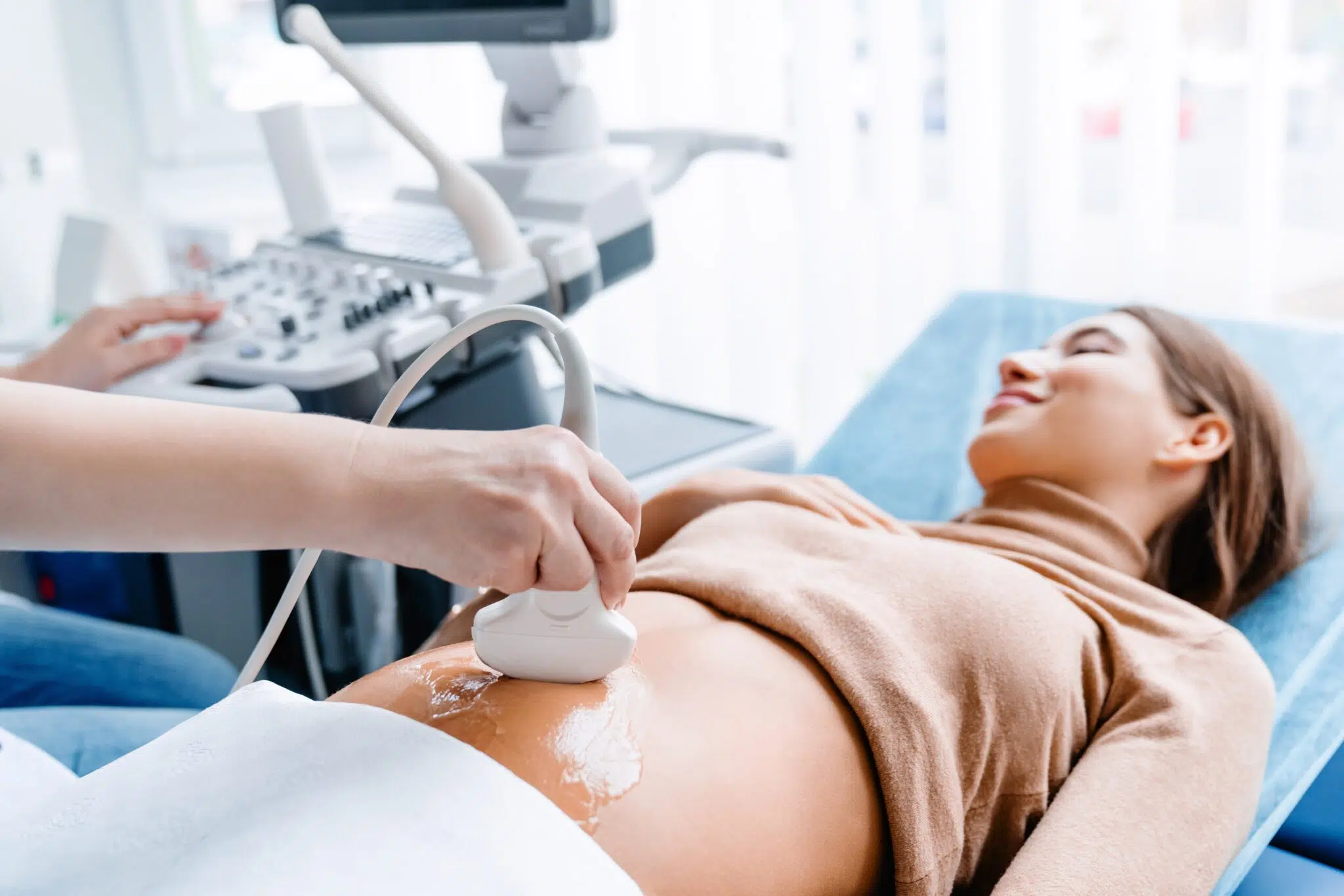

Social egg freezing has become an increasingly discussed option for women who want to preserve the possibility of having biological children in the future. Whether someone is focusing on their career, has not found the right partner or simply is not ready to become a parent, egg freezing may offer an additional reproductive option.
However, egg freezing is not a guarantee of future pregnancy. Understanding how the process works, how age affects egg quality and what to consider before treatment can help women make informed decisions about their fertility.
What Is Social Egg Freezing?
Social egg freezing, also known as elective egg freezing, involves collecting and freezing a woman’s eggs for potential use in future fertility treatment when there is no immediate medical requirement to preserve fertility.
Unlike fertility preservation before chemotherapy or other treatments that may damage reproductive function, social egg freezing is generally chosen for personal or life-planning reasons.
Women may consider this option because they:
- Are not ready to have children but hope to become parents later.
- Have not yet found a partner with whom they want to start a family.
- Want to understand their fertility options before making long-term plans.
- Prefer to preserve eggs at a younger age rather than rely entirely on future fertility.
Every woman’s circumstances are different. Egg freezing may provide flexibility, but it cannot remove the biological effects of ageing or guarantee that a pregnancy will result.
Why Has Social Egg Freezing Become More Popular?
In recent years, fertility preservation has received greater attention as women discuss family planning, career development and reproductive choices more openly.
Some employers have also introduced fertility-related benefits, which may include financial assistance for egg freezing or other fertility treatments. These benefits have been discussed particularly in the technology sector.
However, employer policies vary by company, location and time. Anyone considering egg freezing as part of an employee benefits package should confirm exactly what is covered, including medication, egg collection, storage and any future treatment.
The wider conversation about social egg freezing also raises important questions about reproductive autonomy and workplace expectations. Some women value having an additional option, while others argue that employers should also prioritise parental leave, affordable childcare and flexible working arrangements.
Ultimately, the decision to freeze eggs should be based on an individual’s circumstances and preferences, rather than pressure from an employer, partner or society.
How Does the Egg-Freezing Process Work?
Egg freezing generally involves several stages. A fertility specialist will explain the process, assess suitability and discuss the potential benefits and limitations before treatment begins.
1. Fertility Consultation and Assessment
The process usually begins with a consultation to review medical history, reproductive goals and general health.
Depending on individual circumstances, the clinic may recommend blood tests, including anti-Müllerian hormone (AMH), and an ultrasound to assess the ovaries. These investigations can help estimate ovarian reserve and plan treatment, but they cannot guarantee how many eggs will be collected or whether a future pregnancy will occur.
2. Ovarian Stimulation
Medication is used to stimulate the ovaries so that several eggs may mature during one treatment cycle.
The response varies from person to person. Ultrasound examinations and, when appropriate, blood tests help the clinical team monitor follicle development and determine when the eggs are ready for collection.
3. Egg Collection
Once the eggs are ready, they are collected through a medical procedure, usually performed with sedation or anaesthesia.
As with any medical procedure, there are potential risks and side effects. The treating team will explain what to expect, including recovery and signs that require medical attention.
4. Freezing and Storage
Mature eggs suitable for freezing are generally preserved using a rapid-freezing method known as vitrification. They are then stored under controlled conditions until the patient decides whether to use them, subject to consent requirements and applicable regulations.
5. Using Frozen Eggs in the Future
If a woman decides to use her frozen eggs, they are thawed and typically fertilised with sperm through intracytoplasmic sperm injection (ICSI), a form of IVF.
Any resulting embryos are assessed, and an embryo may be transferred to the uterus when clinically appropriate. Not every frozen egg survives thawing, fertilises successfully or develops into an embryo suitable for transfer.
For more information about treatment options, visit Central IVF’s egg-freezing and fertility preservation.
How Does Age Affect Egg-Freezing Success?
Age at the time of egg freezing is one of the most important factors affecting the potential success of using frozen eggs in the future.
Women are born with a finite supply of eggs. As they age, both egg quantity and egg quality decline, and the likelihood of chromosomal abnormalities increases. These changes can affect fertilisation, embryo development and the chance of a live birth.
Freezing eggs at a younger age generally means preserving eggs before more age-related changes have occurred. However, there is no single age that is ideal for every woman.
The number of mature eggs collected and stored also matters. Some women may need more than one stimulation cycle to collect the number of eggs they hope to preserve, depending on their age and ovarian response.
A fertility specialist can explain how age, ovarian reserve and the expected number of eggs may influence the likely outcomes in an individual case.
The UK’s Human Fertilisation and Embryology Authority provides further information about egg-freezing success rates and considerations.
What Are the Benefits of Social Egg Freezing?
For some women, social egg freezing may offer several potential benefits.
More Flexibility in Family Planning
Egg freezing may allow women to preserve eggs for possible future use when they are not ready to try for pregnancy. This can provide an additional option when personal circumstances make immediate parenthood unsuitable.
Preserving Eggs at a Younger Age
Because egg quality declines with age, freezing eggs earlier may preserve reproductive potential that would otherwise be affected by the ageing process. The extent of the potential benefit depends on the woman’s age and the number and quality of eggs stored.
More Time to Consider Future Plans
Some women value having additional time to consider relationships, career plans or other personal circumstances before deciding when to try to conceive.
These potential benefits should be balanced against treatment costs, medical considerations and the uncertainty of future outcomes.
What Are the Limitations and Risks?
Egg freezing can be useful for some people, but it is important to understand what it cannot do.
It Does Not Guarantee a Baby
Not every egg survives thawing, fertilises successfully or develops into a suitable embryo. Even when an embryo is transferred, pregnancy and live birth are not guaranteed.
Women should ask clinics about outcomes relevant to their age and circumstances rather than relying on a single general success-rate figure.
It Can Be Expensive
Costs may include the initial consultation, investigations, medication, egg collection, laboratory procedures and ongoing storage. Future costs may also apply if the eggs are thawed and used in IVF.
Prices and inclusions vary between clinics. Request a written estimate covering the full process, including storage and potential future treatment.
Treatment Has Medical Risks
Ovarian stimulation can cause side effects such as bloating and discomfort. In some cases, ovarian hyperstimulation syndrome (OHSS) can occur. Egg collection also carries procedural risks, although serious complications are uncommon.
Your fertility team can explain the risks based on your medical history and how they will be monitored.
Pregnancy-Related Risks Still Increase With Age
Egg freezing does not stop the ageing process in the rest of the body. If a woman becomes pregnant at an older age, pregnancy-related risks associated with her age and general health may still apply.
For these reasons, egg freezing should be considered an option for fertility planning, not an insurance policy against age-related infertility.
How Much Does Egg Freezing Cost?
The cost of egg freezing varies depending on the clinic, medication requirements, number of cycles and storage arrangements.
When comparing providers, ask whether the quoted price includes:
- Initial consultation and fertility investigations.
- Stimulation medication and monitoring.
- Egg collection and laboratory procedures.
- Freezing and the initial storage period.
- Ongoing annual storage fees.
- Future egg thawing, fertilisation and embryo transfer.
It is also worth asking whether additional cycles may be recommended and what those would cost.
For Australian patients, confirm the current fees and any applicable rebates or funding arrangements directly with the clinic. Coverage depends on the treatment, individual circumstances and relevant eligibility rules.
Is Social Egg Freezing Right for You?
There is no universal answer. The decision depends on your reproductive goals, age, medical history, financial circumstances and personal preferences.
Before proceeding, consider asking a fertility specialist:
- How might my age affect the potential success of egg freezing?
- What do my test results suggest about my likely response to stimulation?
- How many mature eggs might I collect, and could more than one cycle be needed?
- What are the risks and side effects in my circumstances?
- What is the full cost, including storage and future treatment?
- What are the realistic chances of a live birth using frozen eggs in my age group?
- What alternatives should I consider?
A consultation can help you weigh the potential benefits against the limitations without feeling pressured to make an immediate decision.
Frequently Asked Questions
What is the difference between social egg freezing and medical egg freezing?
Social egg freezing is generally chosen for personal or life-planning reasons. Medical egg freezing is undertaken to preserve fertility when a medical condition or treatment may affect reproductive function. Both involve preserving eggs for potential future use.
What is the best age to freeze eggs?
Egg quality generally declines with age, so freezing eggs earlier in reproductive life may offer better potential outcomes. However, the most appropriate timing depends on individual circumstances, and no age guarantees success.
Does egg freezing delay menopause?
No. Egg freezing preserves some eggs for potential future use but does not stop ovarian ageing or delay menopause.
Can frozen eggs guarantee a future pregnancy?
No. Egg freezing cannot guarantee fertilisation, embryo development, pregnancy or live birth. Outcomes depend on several factors, including age when the eggs were frozen and the number of eggs available.
Do all women who freeze their eggs use them later?
No. Some women return to use their stored eggs, while others may conceive without them or decide not to pursue pregnancy. Before treatment, discuss storage costs, consent arrangements and what should happen to unused eggs.
Should I freeze my eggs if I am not ready to have children?
It may be an option worth discussing with a fertility specialist, particularly if you are concerned about age-related fertility decline. The decision should follow an individual assessment and a clear understanding of costs, risks and realistic outcomes.
Conclusion
Social egg freezing has created an additional option for women who want to consider future family planning while managing other priorities in their lives. It may help preserve eggs at a particular point in time, but it cannot guarantee a future pregnancy or eliminate the effects of ageing.
Understanding the process, success factors, costs and limitations is essential before making a decision. A fertility specialist can help you explore whether egg freezing is appropriate for your circumstances and explain the alternatives available.
To learn more about fertility preservation, explore Central IVF’s egg-freezing treatment information or contact the team to discuss your questions.
Medical disclaimer: This article is intended for general educational purposes and is not a substitute for personalised medical advice, diagnosis or treatment. Speak with a qualified fertility specialist about your individual circumstances.
References