
Secondary infertility is when you have trouble getting pregnant after you’ve already had a baby. It can happen because of changes in egg quality, ovulation, the uterus, the fallopian tubes or sperm health. The reason can be different for everyone, and sometimes a few things are happening at once. A fertility assessment can help you understand what’s changed and what options are available.
You fell pregnant quite quickly the first time around. But now you’re trying for another baby, the months are passing, and things aren’t happening as easily as you expected. Maybe you’re paying closer attention to your cycle, or finding yourself searching for answers after another negative pregnancy test. It can be frustrating, especially when you expected things to happen as easily as they did before.
There are several reasons fertility can change between pregnancies. Let’s look at what might be going on and when it’s worth getting some extra help.
What is secondary infertility?
Secondary infertility means having difficulty conceiving again after previously giving birth. Primary infertility is when someone has difficulty conceiving their first child.
It can happen even after an easy first pregnancy, and it can affect either partner. Sometimes there’s a clear medical reason. Other times, tests reveal several possible factors, or the cause remains unclear.
Fertility difficulties are common. According to Healthdirect, around one in six Australian couples trying for a baby experience infertility. This figure includes both primary and secondary infertility.
What causes secondary infertility in women?
Age and egg quality
Women are born with all the eggs they’ll have throughout their lives. Over time, the number and quality of those eggs decline, making pregnancy harder to achieve.
A few years between children can make a difference, particularly after 35. According to Your Fertility, women under 30 have around a 20% chance of conceiving naturally each month. By 40, that chance is about 5%.
Changes in ovulation
Conditions affecting your hormones can make ovulation irregular. Polycystic ovary syndrome (PCOS, also known as PMOS) can affect how regularly you ovulate, making it harder to fall pregnant.
Thyroid problems and changes in body weight can also affect your menstrual cycle and ability to conceive.
Endometriosis and problems with the uterus or fallopian tubes
Endometriosis affects the ovaries, fallopian tubes and other tissue in the pelvis. Healthdirect estimates that around one in nine Australian females have endometriosis. Fibroids, polyps or blocked fallopian tubes can also make conception more difficult.
Infections or previous surgeries, including a caesarean section or procedures following a miscarriage, can leave scar tissue in the uterus that makes it harder to fall pregnant.
Changes after your first baby
Breastfeeding, particularly when you’re still regularly feeding your baby, can delay the return of your periods and regular ovulation.
The Australian Breastfeeding Association explains that everyone’s timing is different. Some women’s periods return within a few months after having their child, while others take a year or longer. Ovulation can also return before your first period.
What causes secondary infertility in men?
Sperm health can change between pregnancies, too. In fact, Australian male infertility guidelines published in 2025 report that male factors contribute to around half of infertility cases involving couples.
Age and sperm quality
As men get older, sperm movement and quality can decline. Research by Your Fertility suggests it can take longer to conceive when the male partner is over 40.
Medical conditions
Hormonal problems, diabetes, infections and some previous surgeries can affect sperm production or delivery.
Another possible factor is a varicocele, an enlargement of the veins around the testicle. Australian clinical guidelines report that varicoceles are found in about one-third of infertile men, although many men with varicoceles can still conceive.
Lifestyle and medication
Smoking, heavy drinking, weight changes, certain medications and exposure to excessive heat also affect sperm health.
When should you seek help for secondary infertility?
If you’ve been trying for another baby, Australian health guidance recommends speaking to your GP after:
- 12 months of regular, unprotected sex if you’re under 35.
- Six months if you’re 35 or older.
You can make an appointment sooner if you have irregular periods, endometriosis, a known sperm issue or another fertility concern.
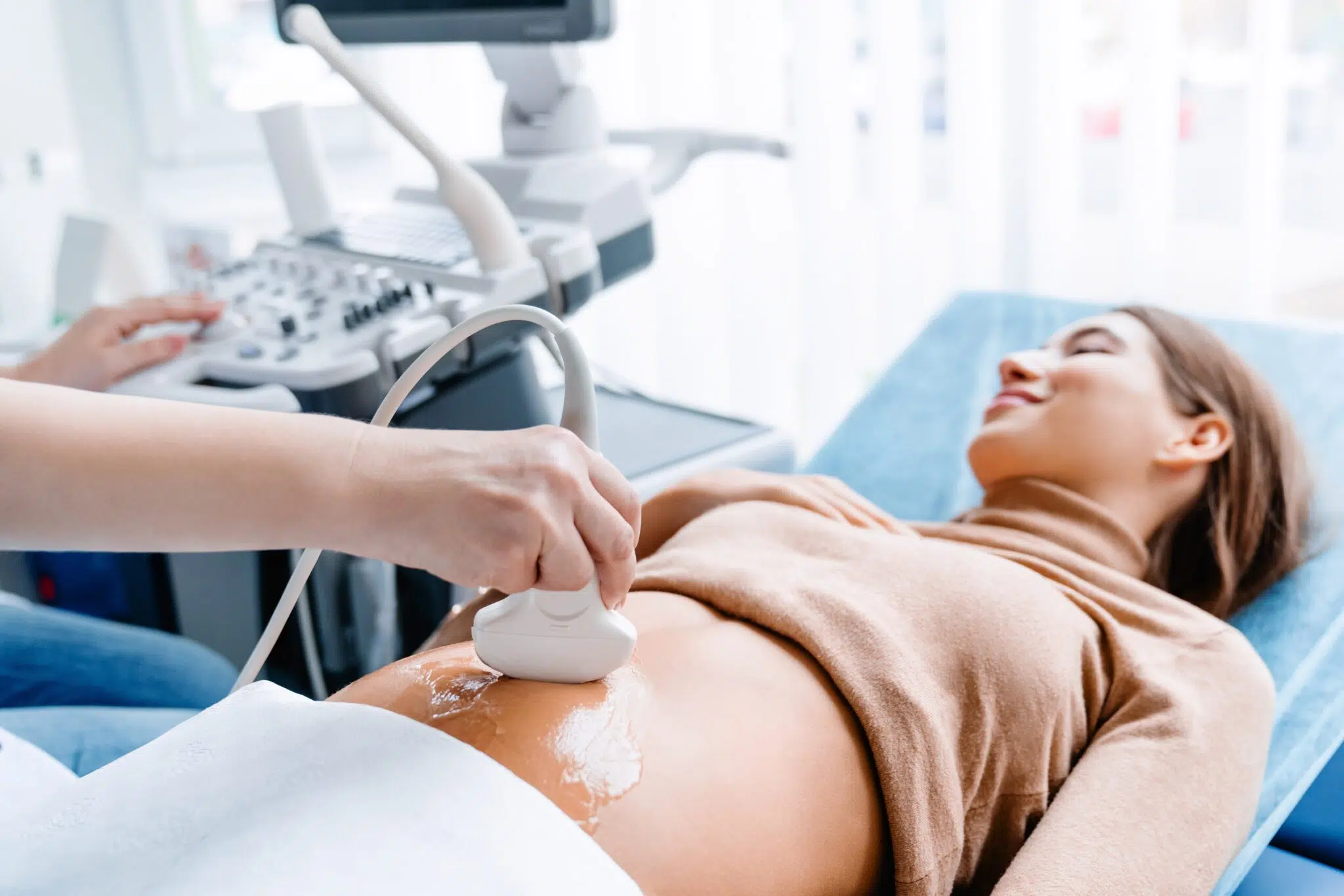
Your doctor may ask about what’s changed since your last pregnancy. Depending on your circumstances, investigations might include blood tests, an ultrasound, checks of your fallopian tubes or a semen analysis. These tests help your doctor identify what’s affecting your fertility and recommend the next steps.
Can secondary infertility be treated?
There are several ways to treat secondary infertility, depending on the underlying cause.
If you’re ovulating irregularly, your specialist might suggest medication to help your ovaries release an egg. Surgery may treat some conditions affecting the uterus or fallopian tubes.
Other options include:
- Intrauterine insemination (IUI): Prepared sperm is placed directly into the uterus around the time of ovulation.
- In vitro fertilisation (IVF): Eggs are fertilised with sperm in a laboratory before an embryo is transferred into the uterus.
You can read more about these treatments through Pregnancy, Birth and Baby.
For people experiencing problems with egg quality or a low egg supply, IVF using donor eggs is another option. Donated eggs from a younger donor can improve the chances of pregnancy for some older women, according to Victoria’s Better Health Channel.
Your fertility specialist can help you understand your treatment options and recommend the best approach for your circumstances.
Understanding your options for growing your family
Every fertility journey is different, and there are many reasons why having another baby might take longer than expected. The good news is that there are treatments available to help, and finding the right one starts with understanding your individual circumstances.
If donor eggs are one of the options you’re exploring, we’re here to support you. We can help you understand how donor egg IVF works, answer your questions and guide you through the process at your own pace.
Get in touch with our team to learn more about taking the next step towards growing your family.